All Categories
Featured


Next-Gen Industrial Grounds Upgrade Innovations
Table of Contents
Native plants also support regional pollinators, improve soil health, and create more resistant landscapes that can deal with whatever from summer heat to harsh winters. For commercial and residential homes alike, native planting is one of the most reliable methods to develop a sustainable landscape that looks excellent and works even better over time.
Very drought-tolerant and low maintenance, it includes movement and structure to any landscape. Purple Coneflower (Echinacea) Among the most recognizable native perennials, featuring strong purple-pink blossoms throughout summer. It's extremely long lasting, attracts pollinators, and prospers in difficult conditions with very little care. Wild Bergamot (Bee Balm) A pollinator preferred with distinct lavender-pink blooms and a light, herbal scent.
Prairie Dropseed A fine-textured native grass known for its soft, fountain-like shape and subtle scent when in flower. It offers tidy structure throughout the season and excellent golden color in the fall. Serviceberry (Tree) A flexible native tree offering multi-season interest with white flowers in early spring, edible berries in summer season, and strong fall color.
They do help minimize activity, especially when used correctly. Utilize these plants in clusters near seating areas, not scattered randomly.
It produces soft purple blooms and is a sturdy perennial in Chicagoland that returns each year. Catmint (Nepeta) Consists of nepetalactone, a compound shown to ward off mosquitoes. It includes blue-purple flowers and is a really durable, drought-tolerant seasonal. Marigolds Naturally produce pyrethrum, an active ingredient utilized in lots of insect repellents. Both release strong fragrant oils that deter mosquitoes when brushed or in warm weather condition. Basil provides green foliage with periodic small flowers and is a yearly, while rosemary has needle-like foliage with subtle blue blossoms and is typically dealt with as a yearly in Chicagoland.
Enhancing Brand Image With Modern Landscape Design
It has high, bright green grassy blades and is an annual in colder environments like Illinois. A fantastic landscape isn't almost what you plant. It has to do with how you put it together. The ideal landscape style technique makes all the distinction. Thoughtful design not just improves curb appeal but likewise lowers long-lasting costs, replacements, and upkeep.
Group Plants in Masses Instead of scattering private plants, install them in groups of 3, 5, or more. Mass planting creates more powerful visual impact and a cleaner, more deliberate design. Right Plant, Right Location Match plant choices to sunlight, drainage, and soil conditions. This minimizes plant tension, enhances growth, and substantially cuts down on replacements and maintenance.
Landscape style patterns in 2026 concentrate on efficient landscapes that are built around real-world usage, not just appearance. The best landscapes don't just plant more, they plant smarter. The landscapes that stand apart today are the ones built with intention, where every plant has a role beyond simply filling space.
Done right, a landscape stops being something you maintain and ends up being something that regularly provides worth, year after year.
Implementing Green Planning Principles On Commercial Sites
The landscaping market is progressing fast, with homeowners and companies alike welcoming fresh concepts that combine charm, sustainability, and functionality. As we head into 2025, it's clear that landscapes are no longer simply about curb appealthey're about developing outdoor spaces that influence, conserve resources, and add long-term worth. Whether you're a property owner aiming to elevate your yard or an organization looking for a business landscaping company to refresh your residential or commercial property, these are the top 2025 landscaping trends you'll wish to know.

In 2025, both property owners and businesses are focusing on environmentally friendly practices like drought-tolerant plantings, native types, and wise irrigation systems. These options not just decrease water and upkeep costs but also support regional ecosystems. Outdoor areas are ending up being true extensions of indoor living. Anticipate to see more outdoor patios, outside cooking areas, fire pits, and seating locations developed for year-round enjoyment.
Group Plants in Masses Rather of spreading individual plants, install them in groups of 3, 5, or more. Mass planting creates stronger visual impact and a cleaner, more deliberate design. Right Plant, Right Location Match plant choices to sunlight, drainage, and soil conditions. This reduces plant stress, improves growth, and significantly minimizes replacements and maintenance.
Landscape style trends in 2026 concentrate on effective landscapes that are built around real-world usage, not just look. The very best landscapes don't just plant more, they plant smarter. The landscapes that stick out today are the ones constructed with intention, where every plant has a function beyond simply filling space.
Merging Organic Design Features Into Corporate Workspaces
Done right, a landscape stops being something you preserve and ends up being something that consistently provides value, every year.
The landscaping market is evolving quick, with property owners and companies alike embracing fresh concepts that combine appeal, sustainability, and functionality. As we head into 2025, it's clear that landscapes are no longer simply about curb appealthey have to do with producing outside areas that influence, save resources, and add long-term value. Whether you're a homeowner aiming to elevate your backyard or a service seeking a commercial landscaping company to revitalize your residential or commercial property, these are the leading 2025 landscaping trends you'll would like to know.
In 2025, both house owners and businesses are focusing on eco-friendly practices like drought-tolerant plantings, native types, and wise irrigation systems. Expect to see more outdoor patios, outside kitchens, fire pits, and seating locations created for year-round pleasure.

Latest Posts
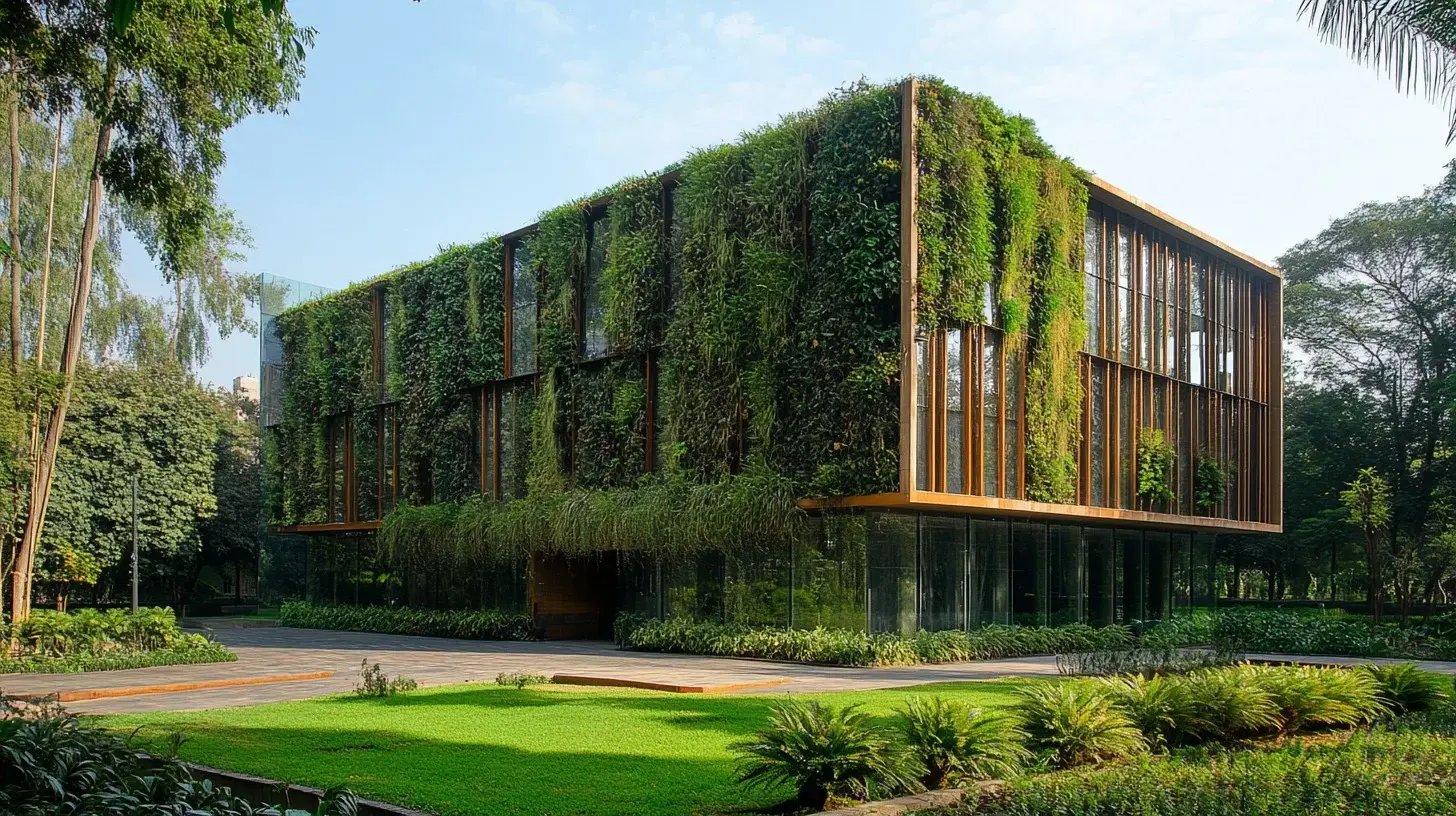
Why Design Innovation Transforms Modern Outdoor Projects

Modernizing Industrial Outdoor Environments in 2026
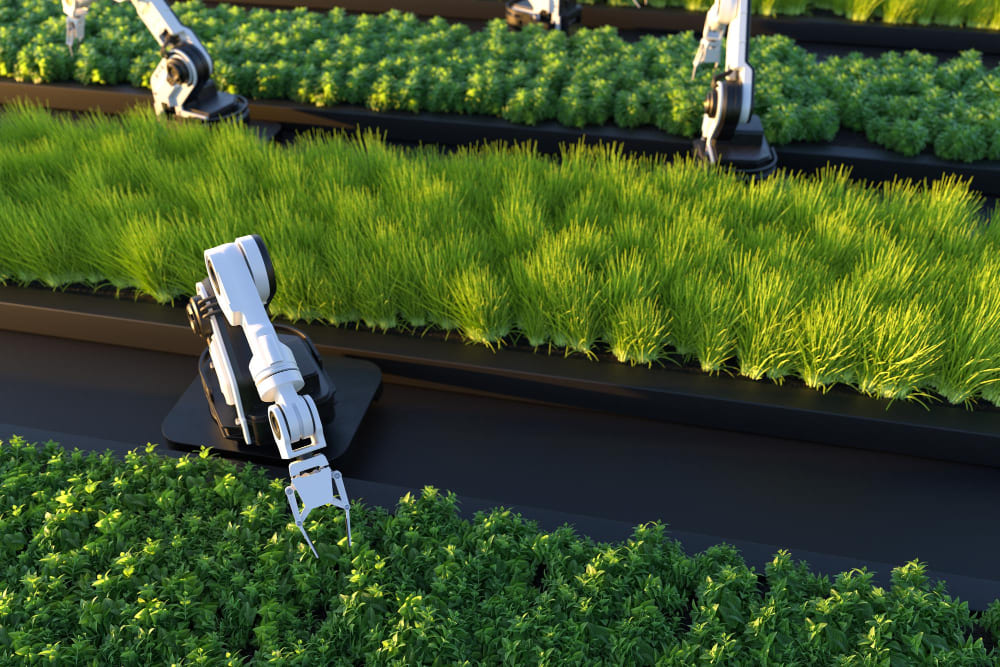
Sustainable Site Architecture Trends for California