All Categories
Featured

Implementing Commercial Erosion Control Strategies
The website looks fine for a while, then areas dim unevenly or stop working outright because the initial design was never engineered for scale. Helpful smart-control functions consist of: Much better than fixed timers when sunset shifts seasonally. Handy in lower-traffic zones.
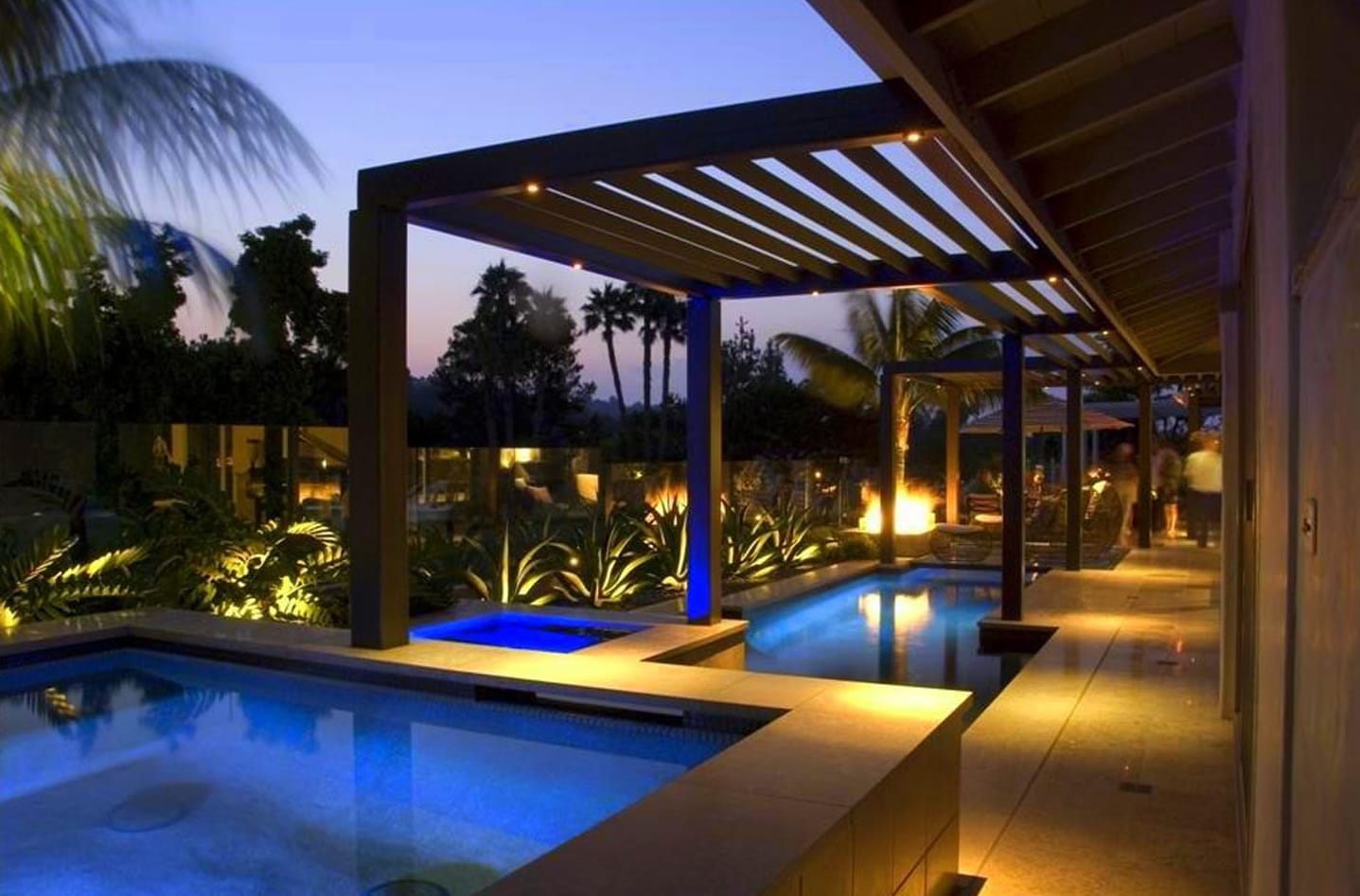
Stairs, seat walls, ramps, terrace edges, and grade changes all need clear definition after dark. Recessed components solve that without including poles, stakes, or decorative bollards that contend with pedestrian space or get hit throughout upkeep. I recommend this approach usually for workplace courtyards, multifamily feature decks, hospitality terraces, and outside gathering areas with built-in masonry.
That gives home managers a cleaner daytime appearance and better nighttime visibility in the same install. Business case is simple. Integrated components usually cost more upfront than positioning a few surface area path lights, however they lower mess, enhance glare control, and hold up better in high-traffic zones where exposed components are simple to damage.
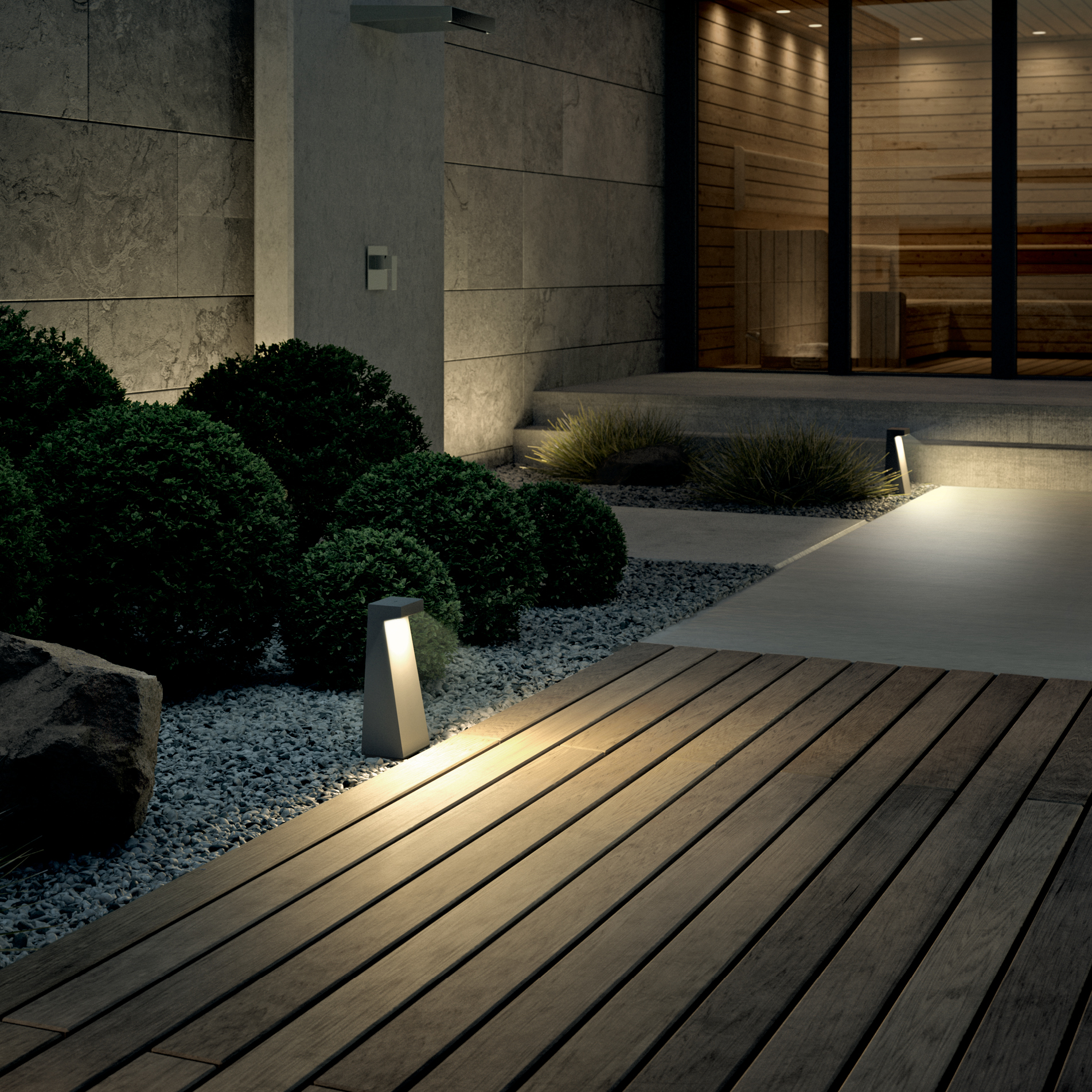
Commercial Seasonal Color ProgramsThese components work best anywhere people move close to walls, steps, and maintaining edges. The light stays low and directed at the strolling surface, which assists decrease hot spots and direct-view glare.
Old Versus 2026 Outdoor Spaces
Surprise need to not mean inaccessible. Too couple of fixtures create dark gaps. Too numerous create glare and lost cost. I see one mistake repeatedly on industrial sites. Teams attempt to light every stair kept up neighboring course components alone. Protection ends up being inconsistent, the component count climbs, and the outcome still looks improvised.
If the hardscape is still in style or preconstruction, coordinate lighting information with the commercial landscape building and installation team before kinds are set and walls go up. That timing protects the spending plan more than any component alternative later. Many residential or commercial properties don't require more light. They require better composition. Layering is what separates a business lighting strategy from a collection of components.
This is also where the ROI image gets sharper. LEDs now take in as much as 75% less energy than incandescent lights and last 25 times longer, while a normal LED outdoor fixture can reach 50,000 hours compared with 2,000 hours for incandescent. Verified information also keeps in mind a 60% reduction in lifetime outdoor lighting costs and roughly $15,000 per acre in annual maintenance-cost reduction on large commercial campuses and retail centers when maintenance frequency drops.
Confirmed data shows outside lighting accounts for about 4% of total outdoor electrical power consumption in business zones, and a transition to LED fixtures could save more than $1.2 billion yearly across the United States according to a 2023 U.S.
On a property-management level, that reinforces what strengthens operators already suspect. Excellent lighting design isn't simply cosmetic. Property supervisors normally have to pick under pressure.
A side by side contrast assists separate high-impact upgrades from ideas that look great in a rendering but produce service headaches later on. Use the table below as a decision tool, not a style list. Each alternative fixes a various company problem, brings a different upkeep load, and fits particular home types better than others.
Planning Next-Generation Walkways for Business Parks
Routine lens cleansing and fixture adjustment are typical. Wayfinding with Path and Location Lighting Improve pedestrian guidance and decrease trip-risk direct exposure Low to moderate Bollards, course components, pole lights, photocells or timers Scales well throughout big sites.
HOA common areas, mixed-use paths, parking area connections, plazas Often the finest very first investment due to the fact that it attends to security, flow, and appearance at the same time. Moonlighting for Subtle, Natural Beauty Add soft overhead light without an extreme component presence High Tree-mounted downlights, diffused optics, low-output LEDs, access planning Greater service expense since fixtures need seasonal review as trees grow and sway.

Latest Posts
Why Design Innovation Transforms Modern Outdoor Projects

Modernizing Industrial Outdoor Environments in 2026
Sustainable Site Architecture Trends for California